
Save on Heating Bills: How Energy-Efficient Window Shutters Keep Your Home Warm
Winter always finds the gaps. That draught by the skirting board, the chill creeping in around an old sash window, the radiator working overtime just to keep the
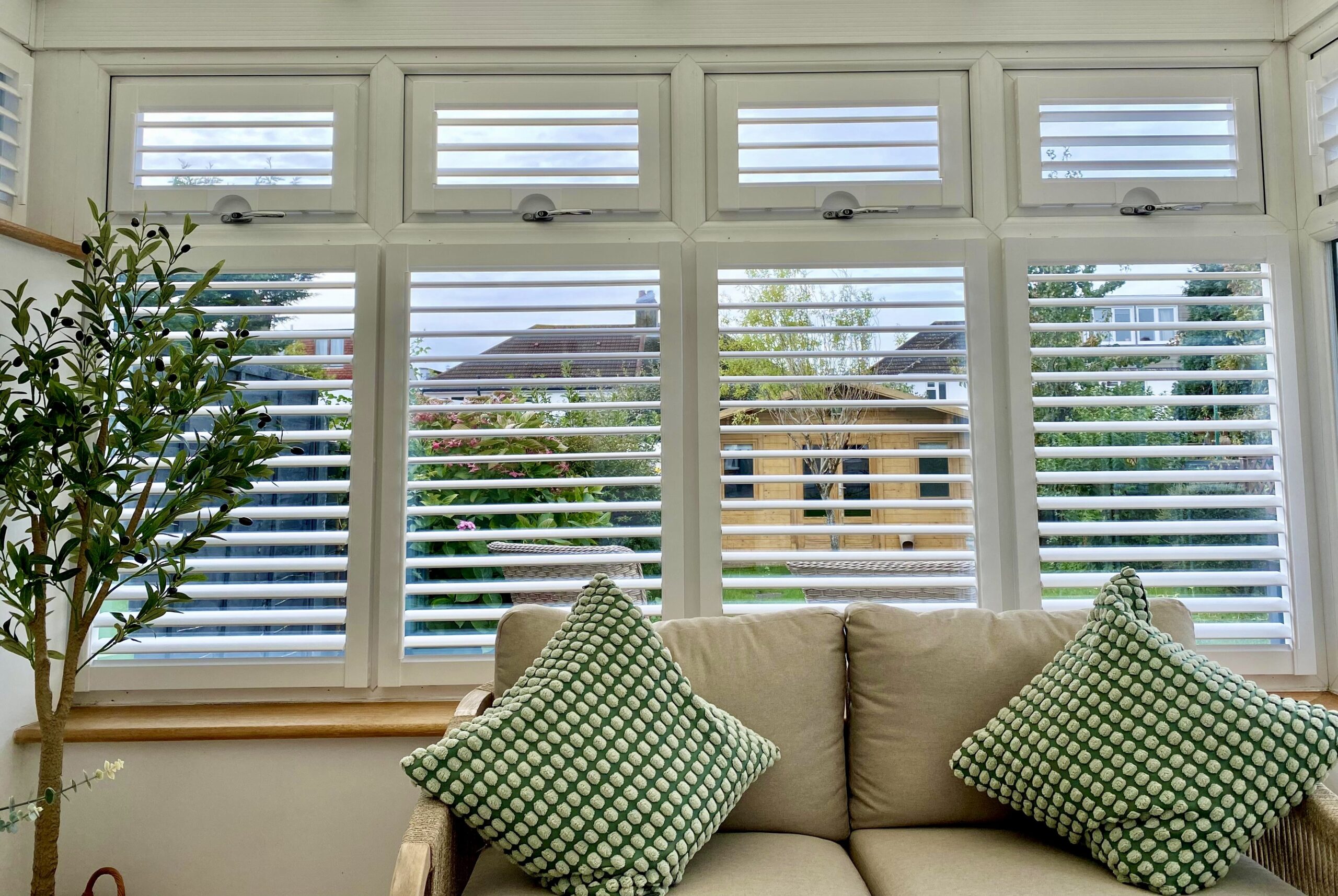
Winter always finds the gaps. That draught by the skirting board, the chill creeping in around an old sash window, the radiator working overtime just to keep the living room bearable. If your energy bills have crept up again this year, it might be time to look at what’s happening at your windows before you blame the boiler. Window shutters are one of the simplest ways to close that gap.
Most homeowners think of shutters as a style choice, and they certainly are one. But there’s a practical side that gets overlooked far too often. A well-fitted shutter sits close against the frame, trapping a layer of air between the glass and the room, which slows down heat loss considerably.
That layer of trapped air matters more than people expect.
Anyone who’s lived through a British winter knows the story. You crank the heating up, the room warms for an hour, and somehow it still feels cold near the window. That’s because windows generally provide less thermal insulation than properly insulated walls. Even double glazing, which does a decent job, still loses far more heat than a solid wall.
A few things worth knowing:
This is one reason some homeowners consider shutters alongside other measures such as curtains and draught proofing.
It’s physics, but you don’t have to understand the science to appreciate the benefit. When a shutter panel is fitted snugly against the window frame, it creates a pocket of still air between shutter and glass. Still air is a poor conductor of heat, so it acts as a buffer to slow the rate at which warmth inside your home escapes through the cold glass surface.
Unlike curtains, which hang loosely and let warm air circulate freely behind them, a well-fitted shutter creates a more defined barrier between the room and the glazing. Close the louvres in the evening and that insulating layer stays put all night, right when you need it most.
There’s also a knock-on effect worth mentioning.If less heat is lost, your heating system may not need to run as frequently to maintain the desired temperature. Over a full winter, that adds up.
The way a shutter fits the window can have a bearing on both its appearance and everyday performance. Perfect Fit Shutters are designed around the individual window, helping create a neat finish that works with the existing frame and surrounding space.
A correctly sized shutter will neatly fit within the window area so that the panels and louvers open and close as they should. This is particularly useful in homes with windows of all shapes and sizes, such as you often get in older UK properties.
Getting the measurements right is therefore important. A suitable fit can help reduce unnecessary gaps around the covering while giving the window a clean, finished appearance. It also makes the shutters easier to use as part of your everyday routine.
Glazed doors, whether a back door, French doors or larger patio doorsleading into a conservatory, lose heat in exactly the same way as windows do. Yet they’re often left completely bare, or fitted with curtains that get in the way every time someone walks through.
Door shutters solve this neatly. They’re built to the same principle as window shutters, sitting close to the glass and closing off that heat-robbing surface without blocking access. For homes with large glazed doors leading onto a garden or patio, this can make a genuinely noticeable difference to how warm the room feels in the evening.
Not every material or style offers the same level of thermal benefit, so it’s worth thinking through a few things before you commit:
Instant Fit Shutters can help homeowners choose a shutter style and configuration suited to their windows.
Nobody expects shutters to replace proper insulation or a decent boiler, and it would be misleading to suggest otherwise. But as one part of a wider effort to cut heating costs, window shutters do a genuinely useful job. Instant Fit Shutters fits shutters that are properly measured and fitted, helping create an additional barrier between the room and the glazing.
Yes, though the exact saving depends on your windows and how the shutters are fitted. A snug fit matters far more than the material used.
Not at all. A quick wipe with a damp cloth or a duster along the louvres keeps most shutters for windows looking fresh with minimal effort.
No, they work alongside it. Shutters are an additional layer of insulation but they don’t replace the glazing itself.
Yes, they work on the same principle and are placed close to the glass to reduce heat loss from the large glazed door panels.
Many homeowners find they add to a property's appeal, since they're seen as a permanent, quality fixture rather than a temporary dressing.
Winter always finds the gaps. That draught by the skirting board, the chill creeping in around an old sash window, the radiator working overtime just to keep the
WhatsApp us